Cobra Creative: How a lean team was built to serve household-name clients.
Building
A SMALL AGENCY
FOR BIG BRANDS


Role:
Principle & Creative Director
Duration
2006-2019
Cobra Creative: How a lean team was built to serve household-name clients.

I co-founded Cobra Creative with a clear idea in mind: stay small, do great work for top clients, and make design a key part of their business strategy, not just something we do on the side.
After years working at agencies like McCann, Juxt Interactive, and Odopod, I co-founded Cobra Creative in 2006 to prove that a small shop could win the work network agencies were winning. The bet was that high-quality work could beat scale, a team of no more than 10 full-time employees could compete for and win household-name brands, and grow to a 7-figure practice without outside funding.
Sustaining that against enterprise-scale complexity was the difficult part. Big-name brands carry the coordination load of large organizations, and winning their work as a small team means earning trust quickly, communicating transparently, and delivering with a consistency that bigger agencies lean on reputation to promise. Keeping the team small while revenue grew meant every hire and every scope decision mattered, and that constraint became the strategy Cobra ran on for 13 years.
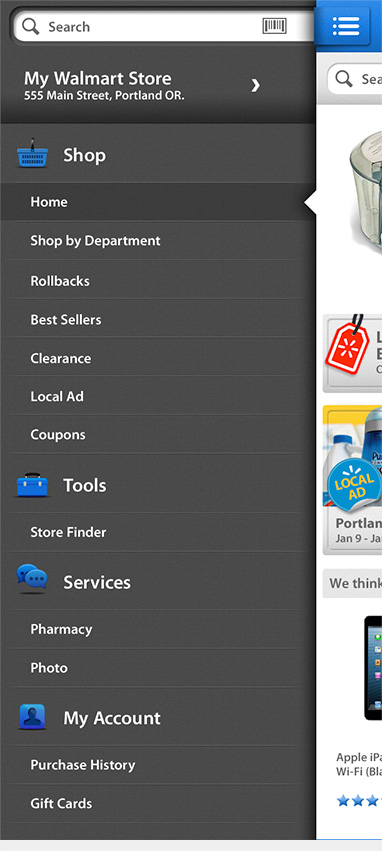

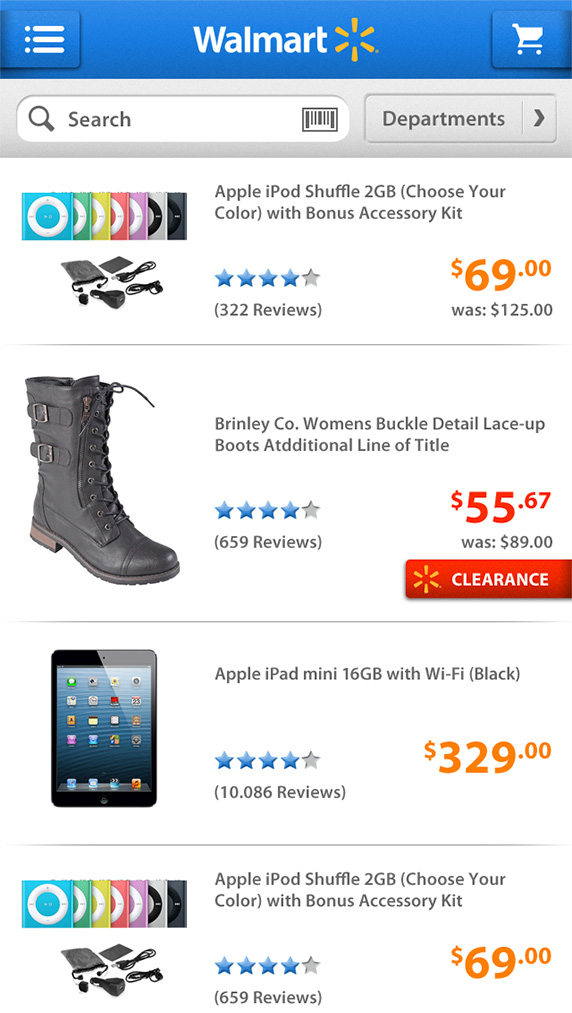
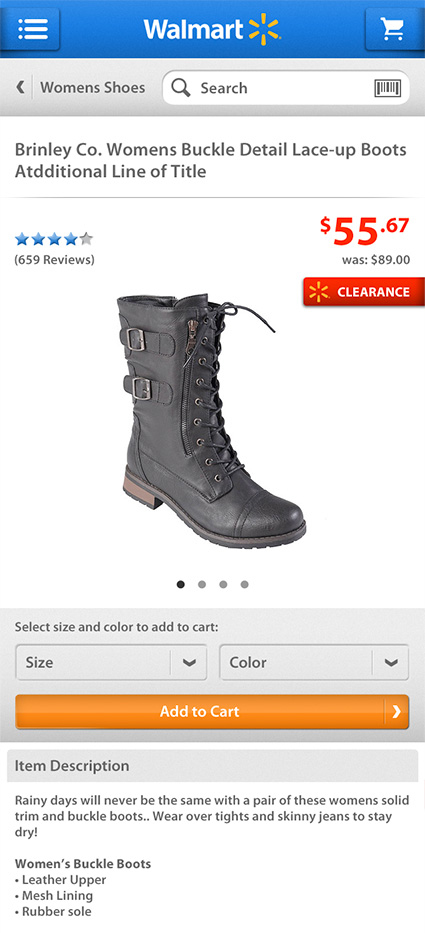
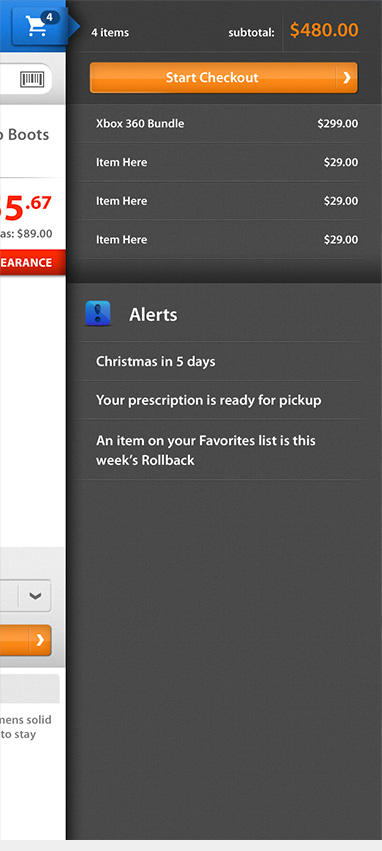


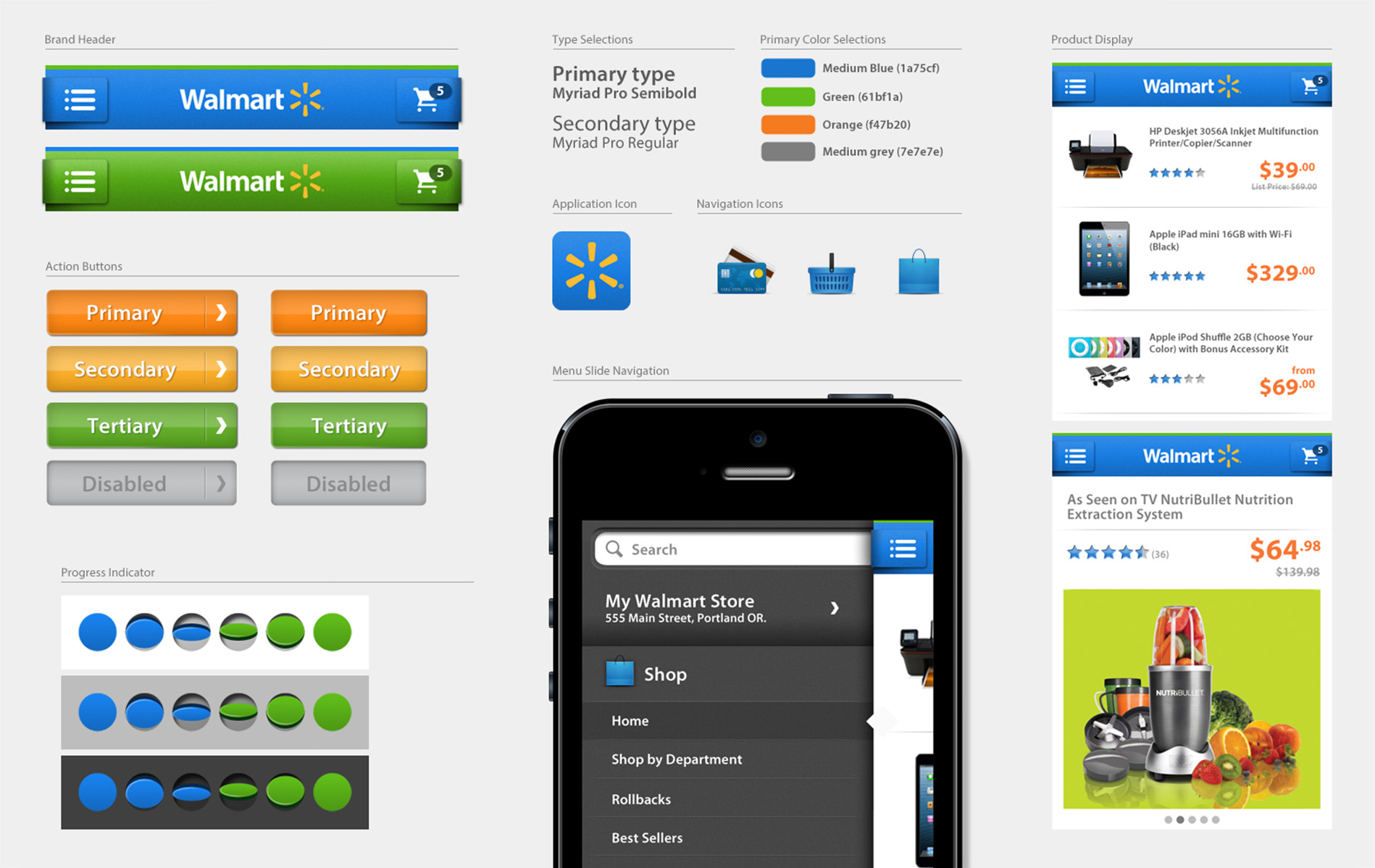


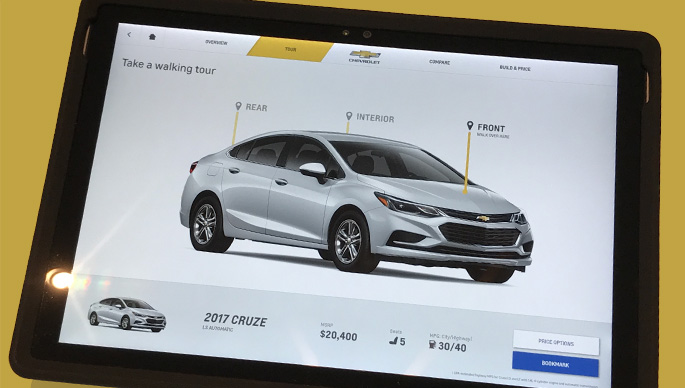
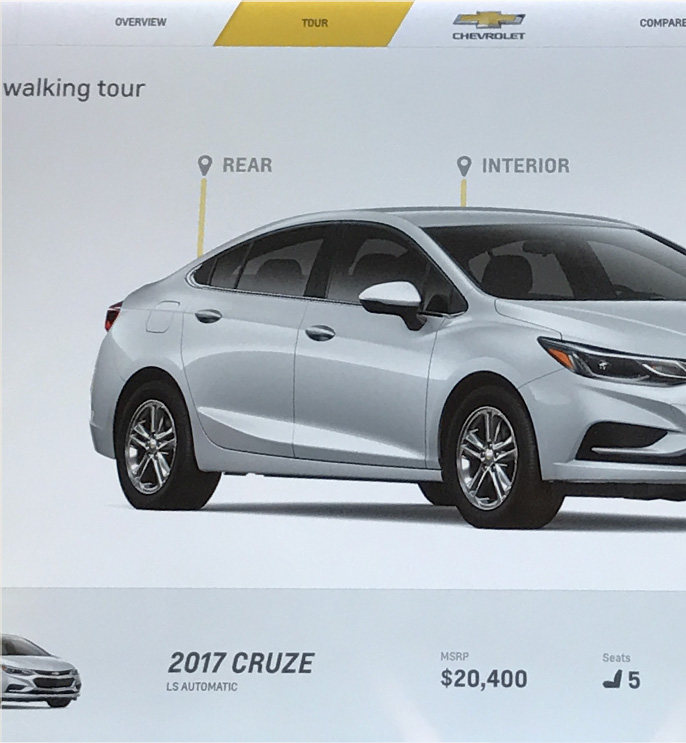
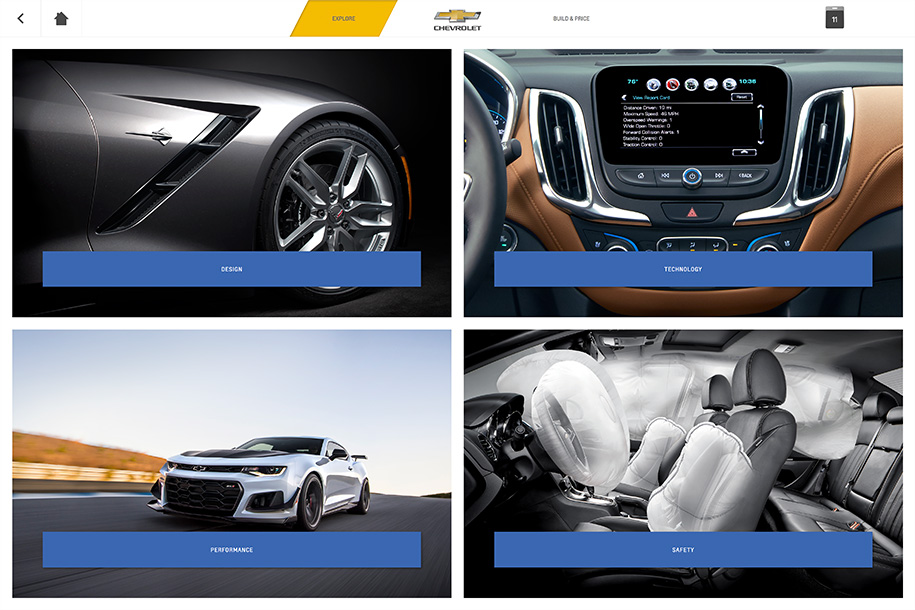

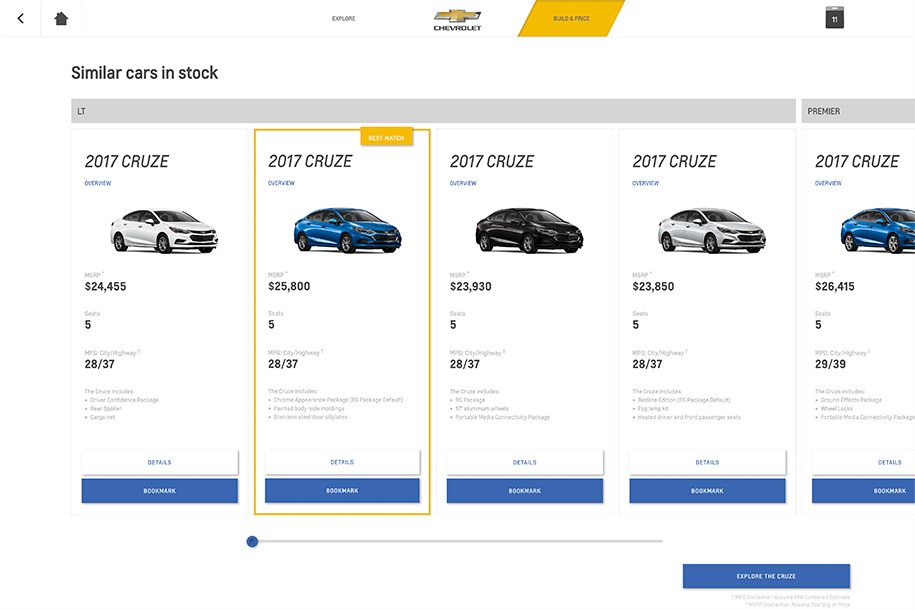

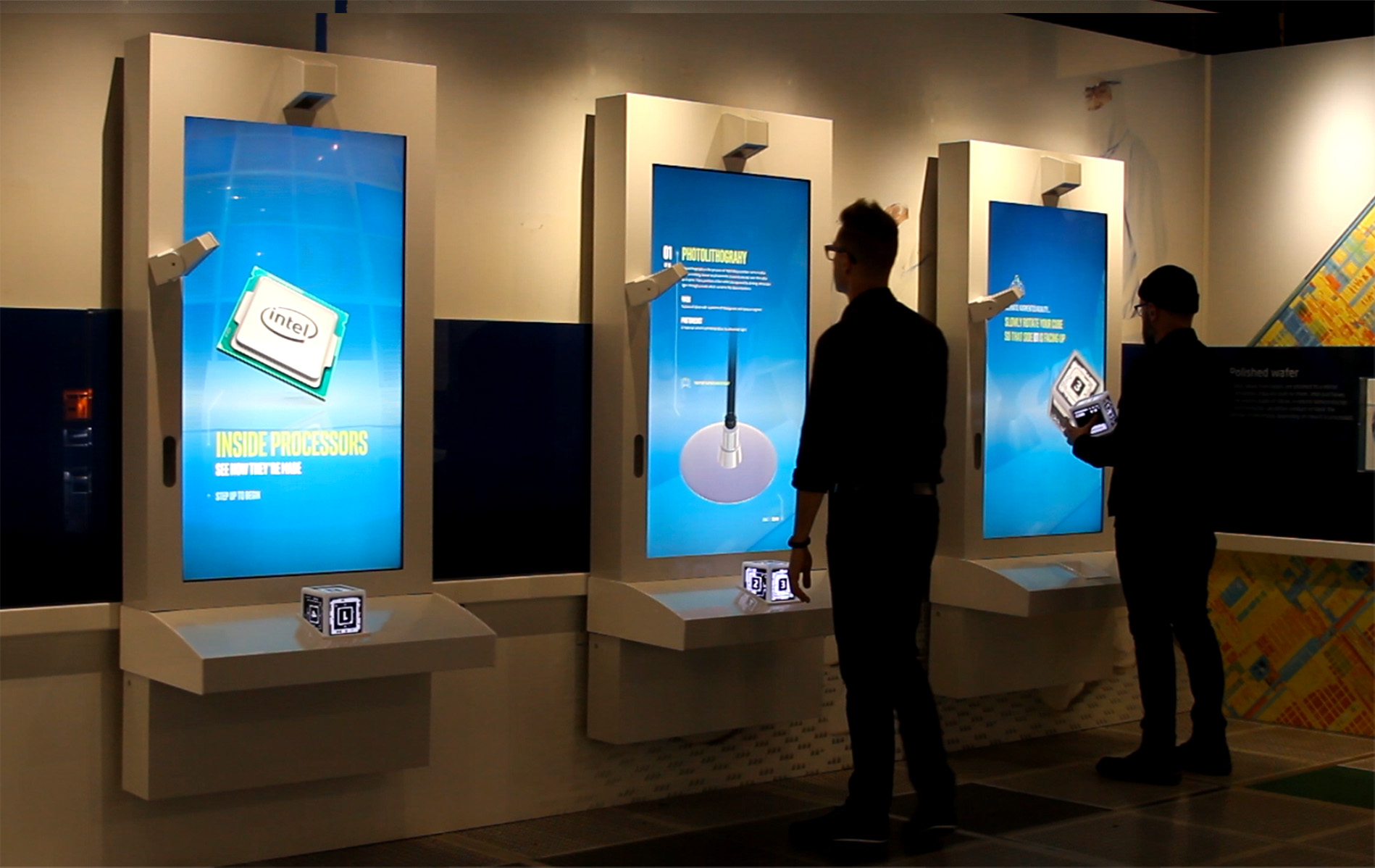


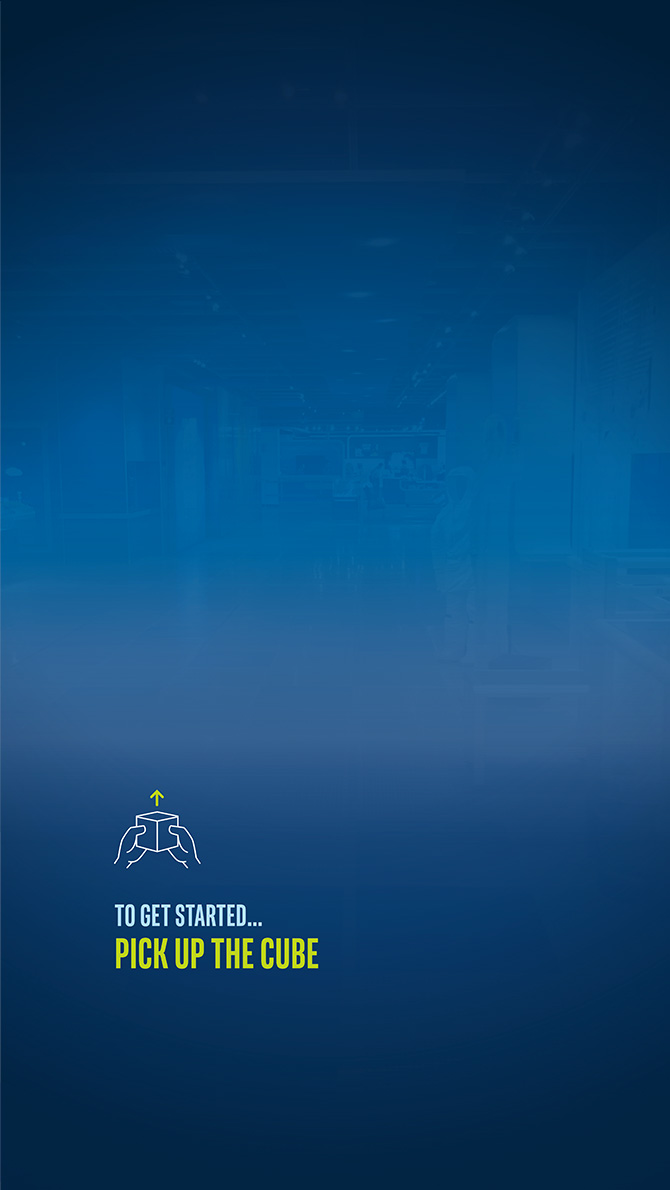


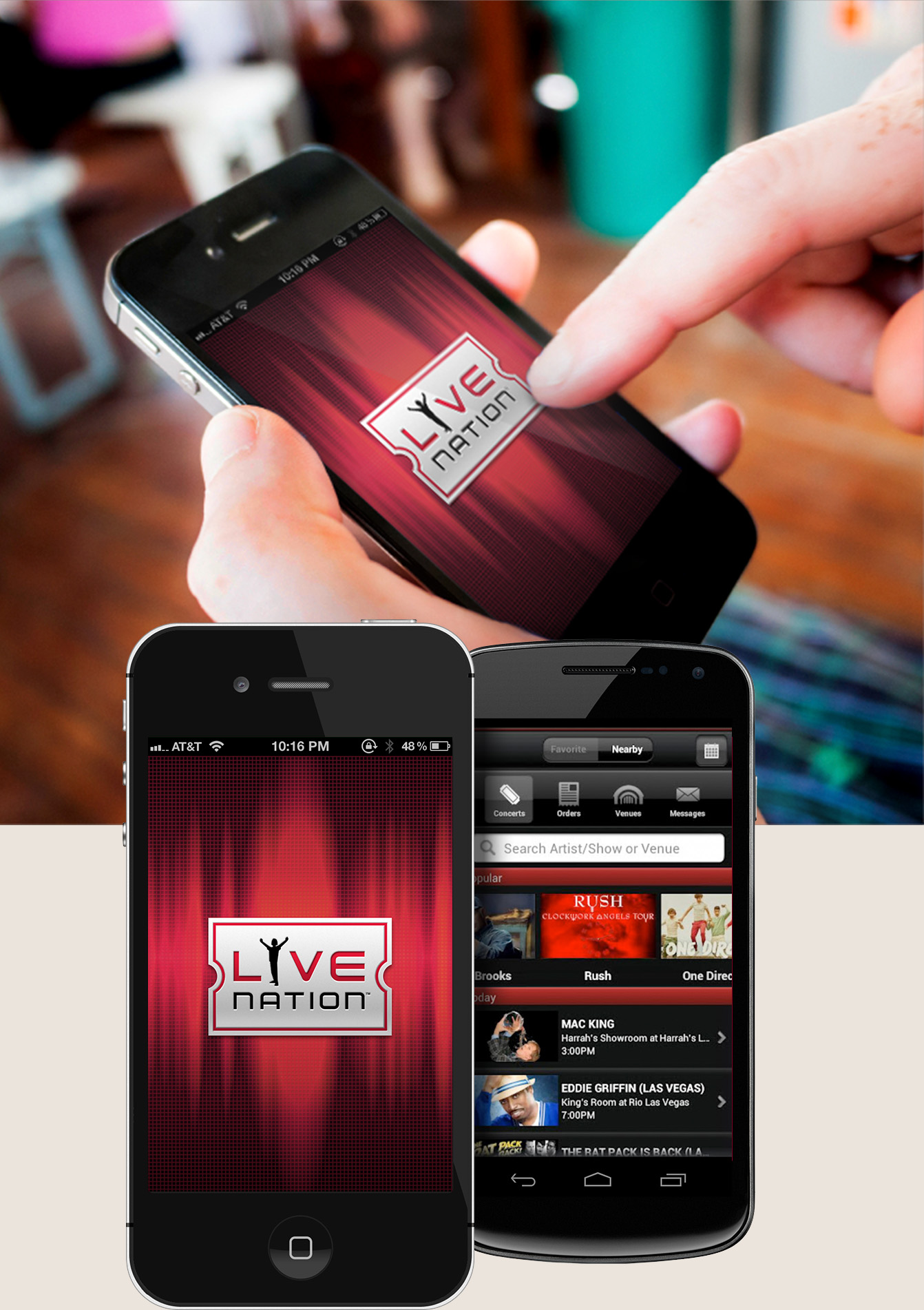
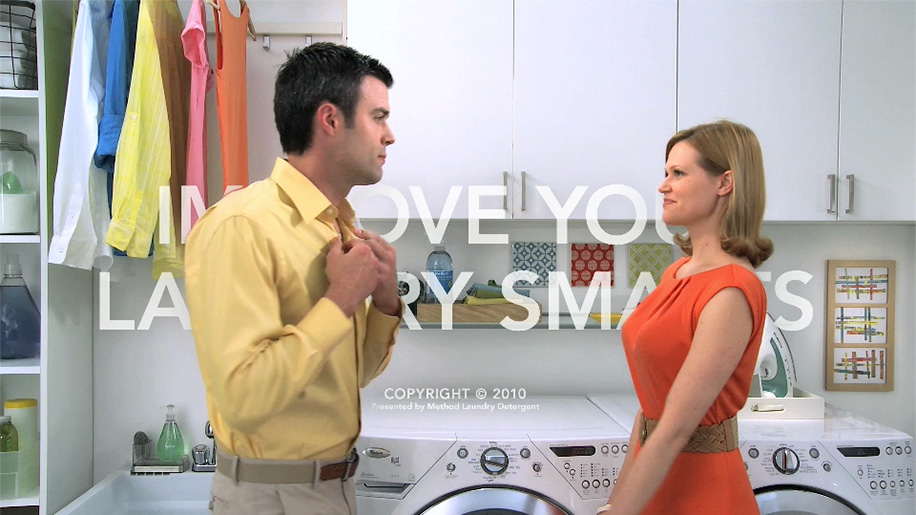
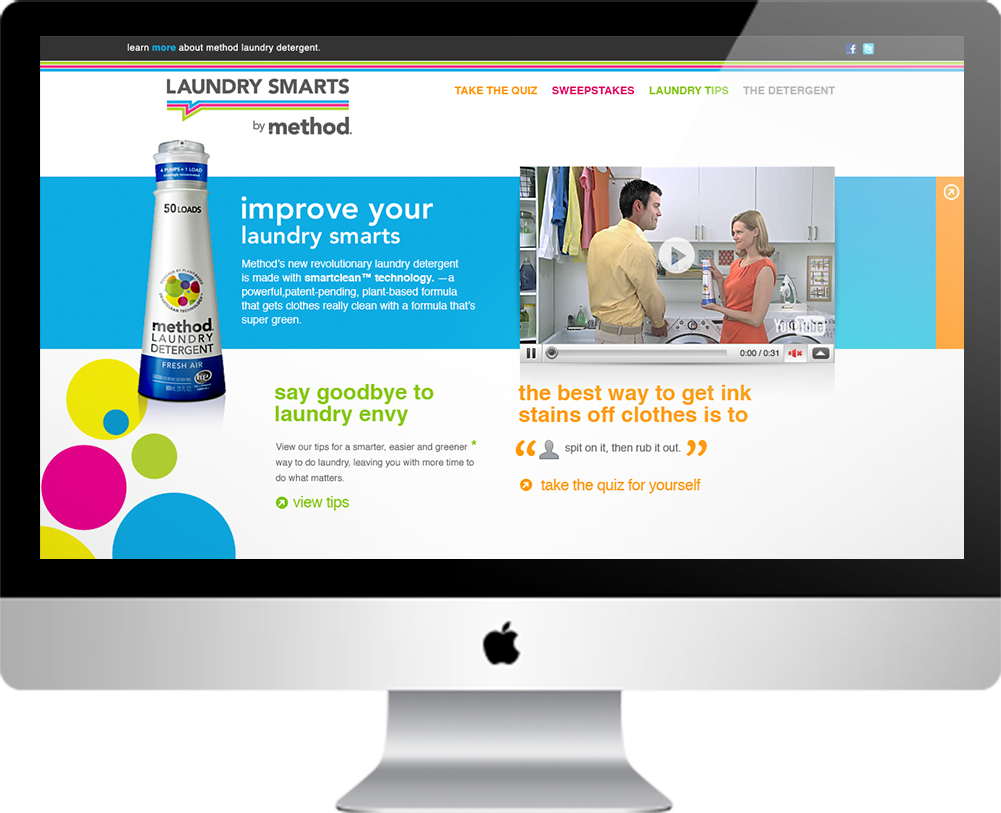
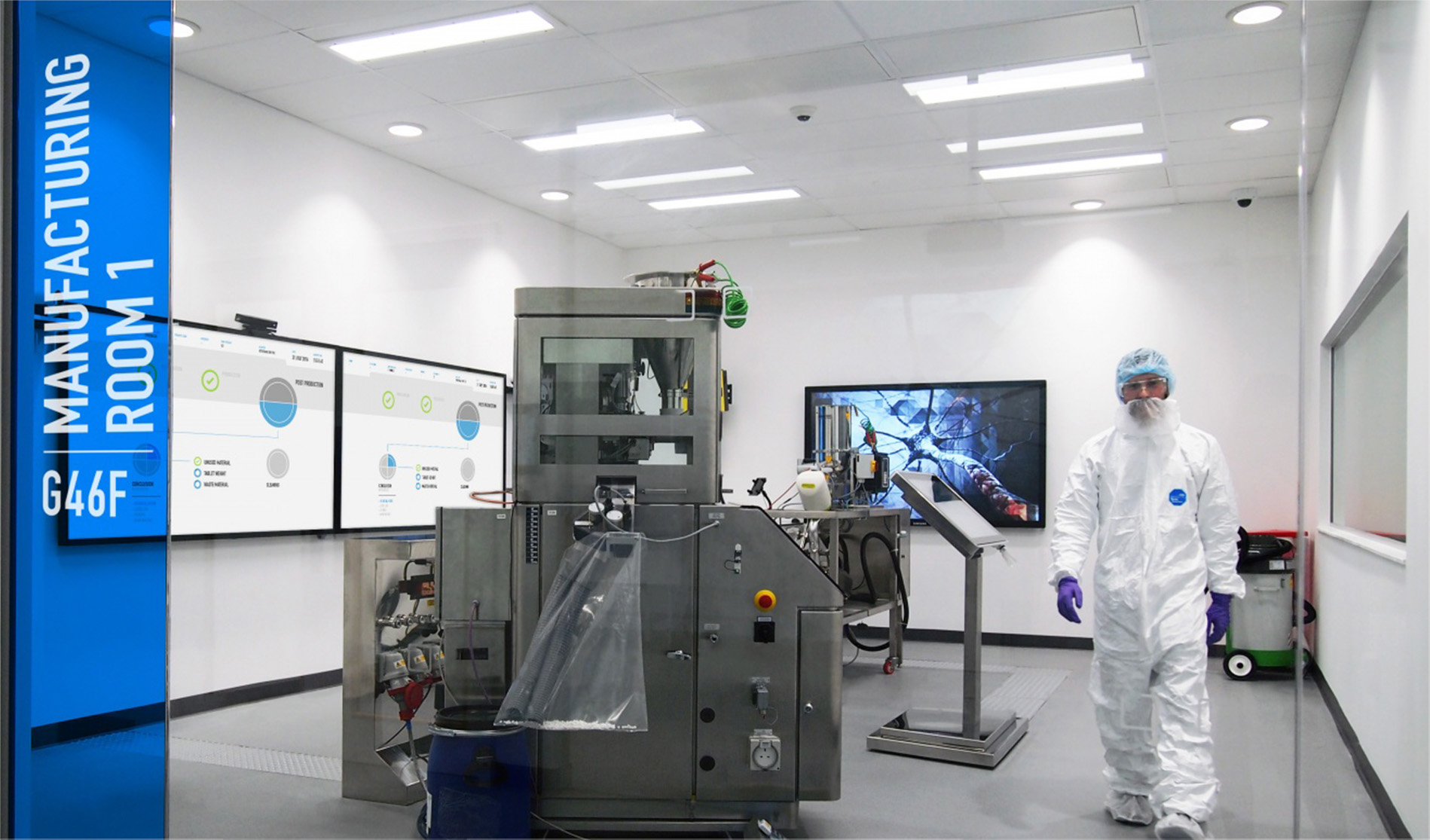
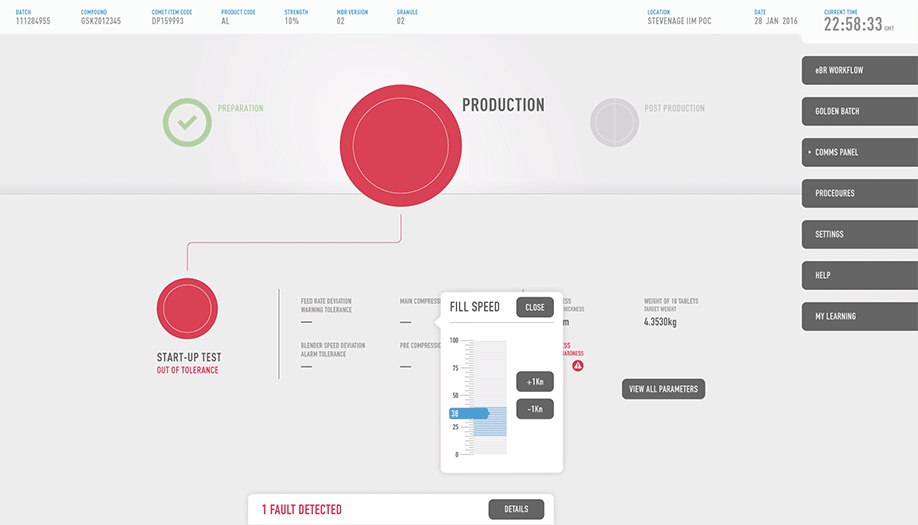
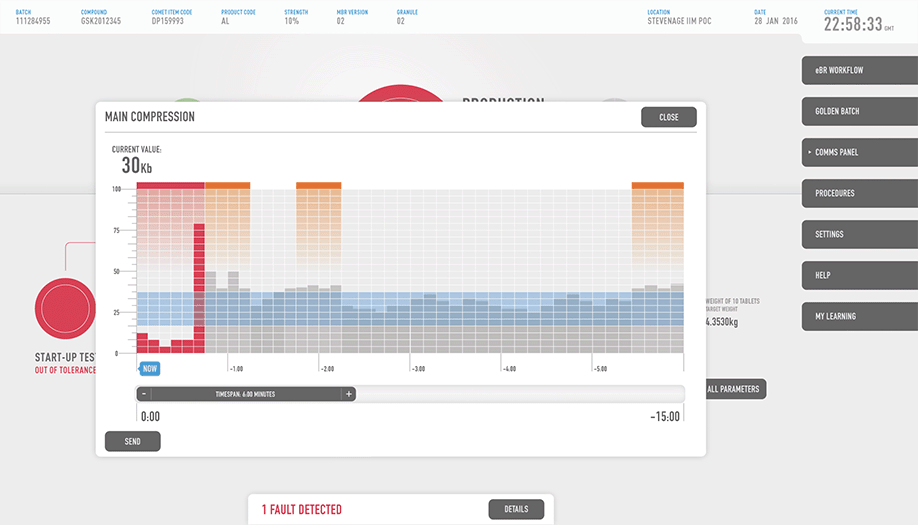
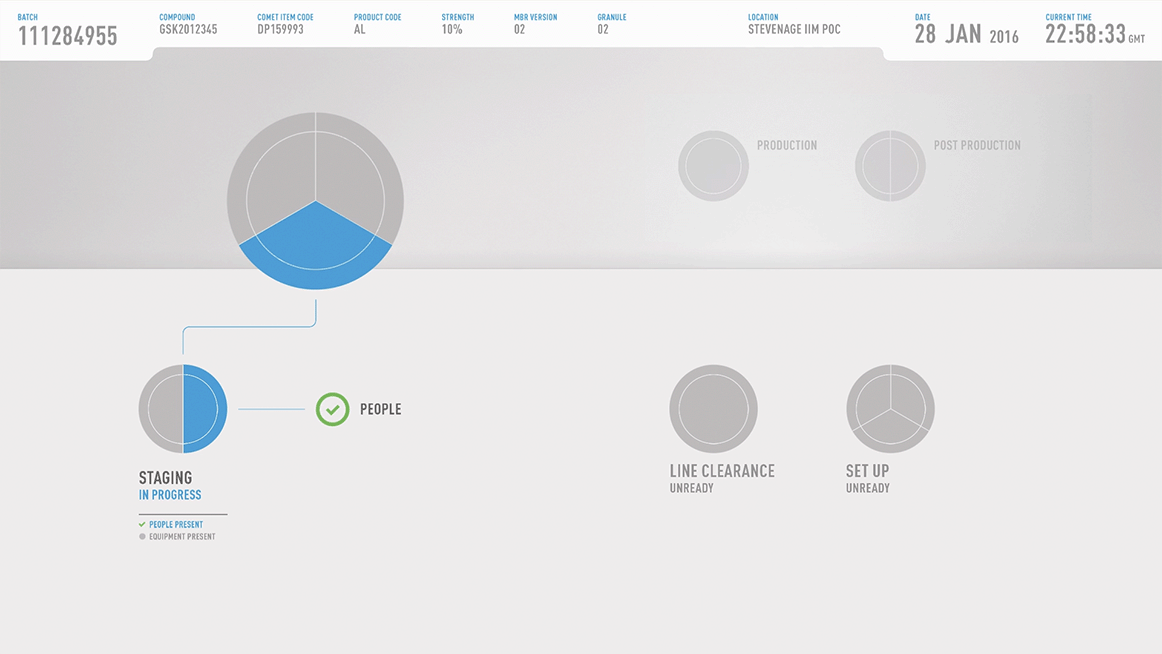
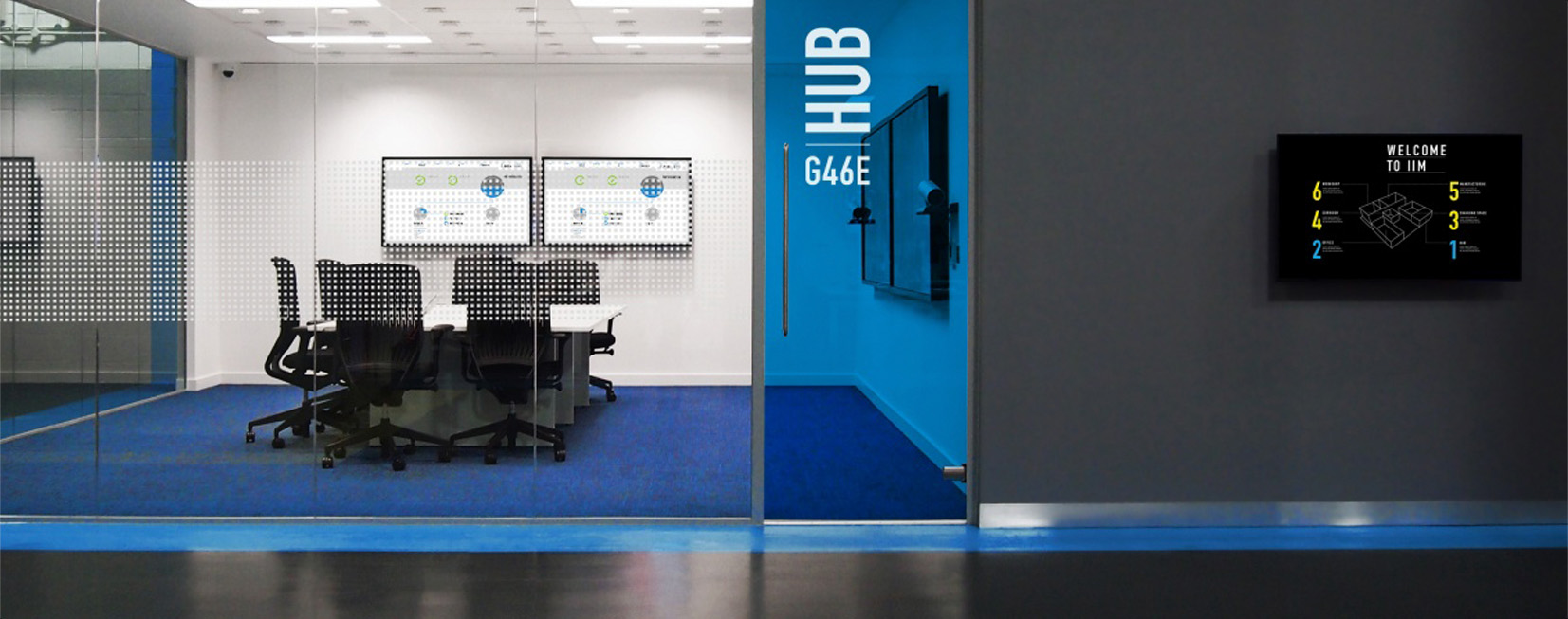
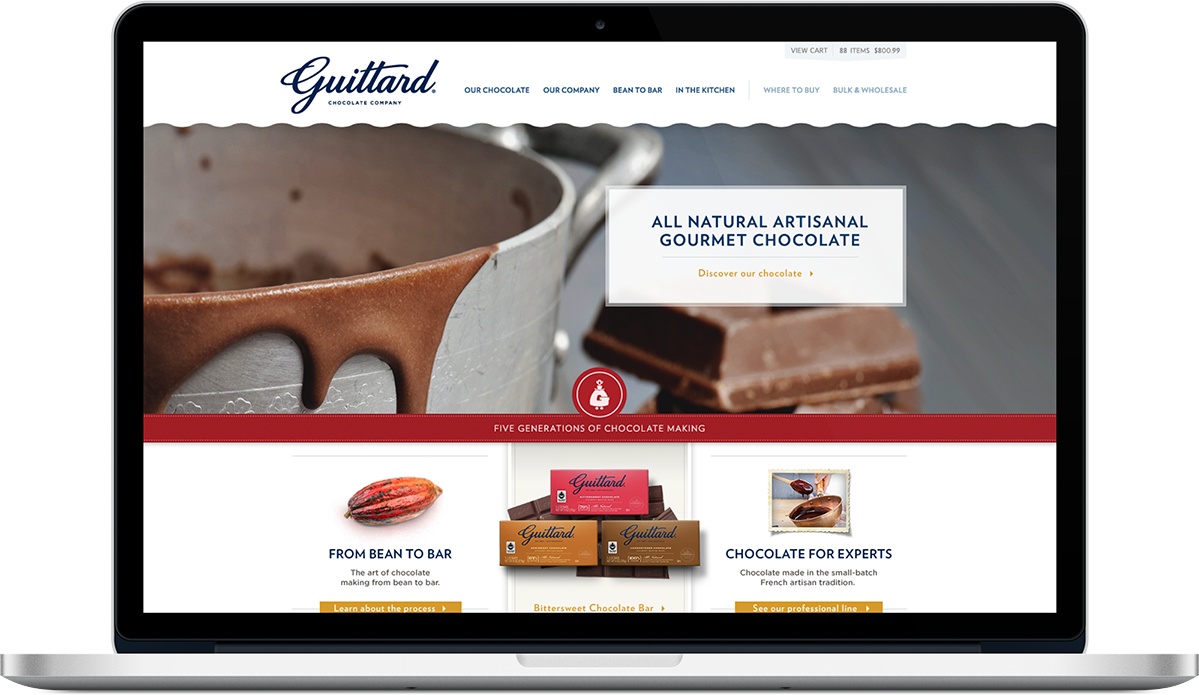
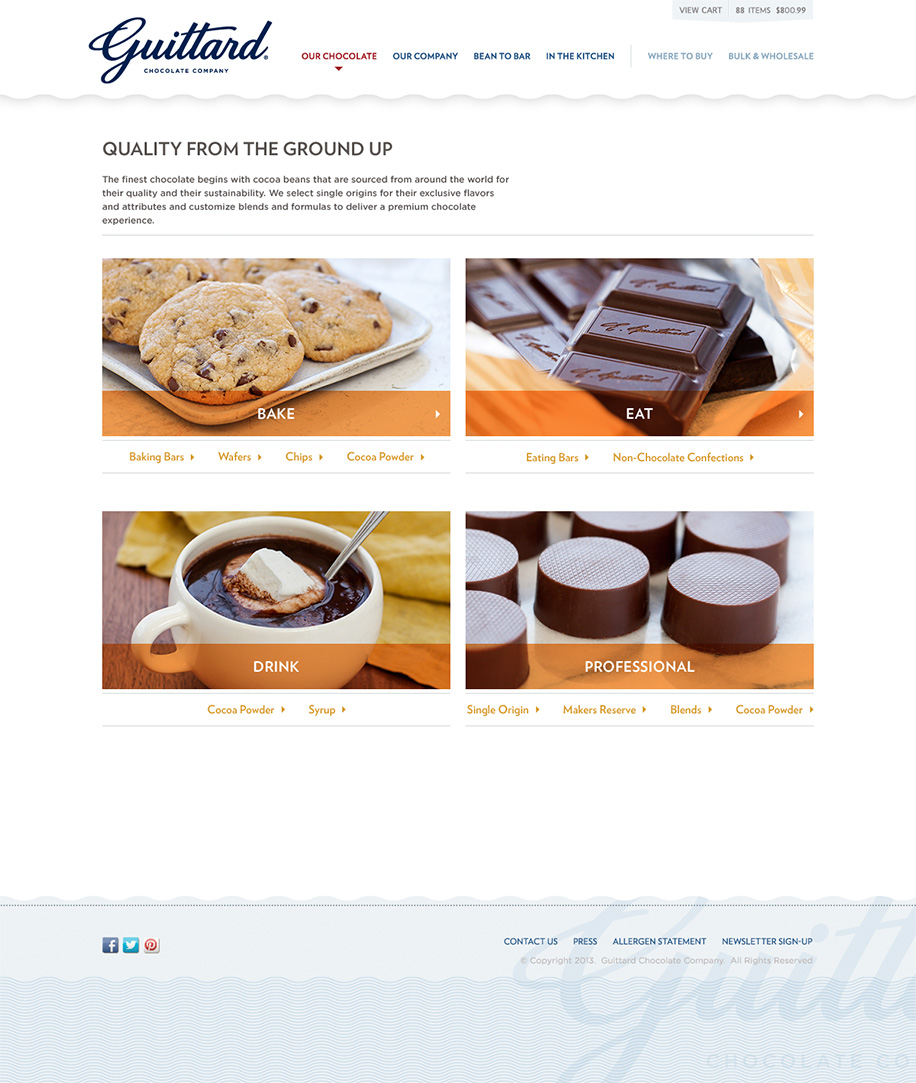
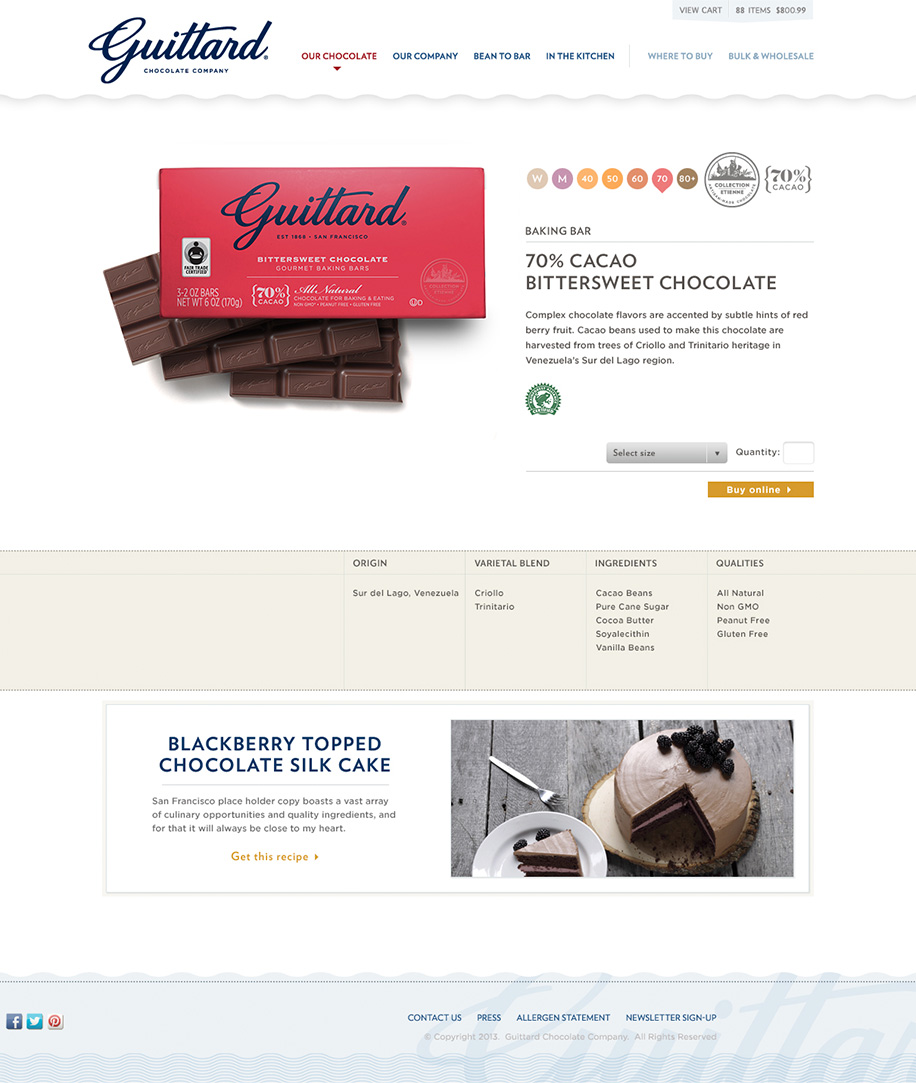
Cobra Creative didn’t specialize in a single deliverable type or sector. Instead, the model focused on a problem-first solution with a wide disciplinary range: museum exhibits, mobile apps, e-commerce, in-store experiences, fitness onboarding, manufacturing reimagination, web platforms. The approach stayed the same no matter the situation: understand the problem first and then find the right format for the answer.
For Cobra Creative, staying small was a choice because small teams move faster, communicate more candidly, and produce more coherent work. This also meant Cobra Creative never took on work it couldn't do exceptionally well. Doing so built a reputation for quality and reliability that larger clients could trust.
Proposals, pitches, and credential decks were designed with the same rigor as client deliverables. From the first email, pitch decks, contracts, and kickoffs, every touchpoint expressed the agency's capabilities and focus on design as a strategic function that shaped the work upstream, not just the output downstream.
Every point of the operation: Creative direction, business development, hiring, account leadership, and operations, all at the same time, with no legacy infrastructure. That experience built the judgment and muscle to lead under pressure, make decisions with incomplete information, and maintain quality without a safety net. Going beyond soft skills, those were hard-won operating competencies that carried directly into leading larger teams later.

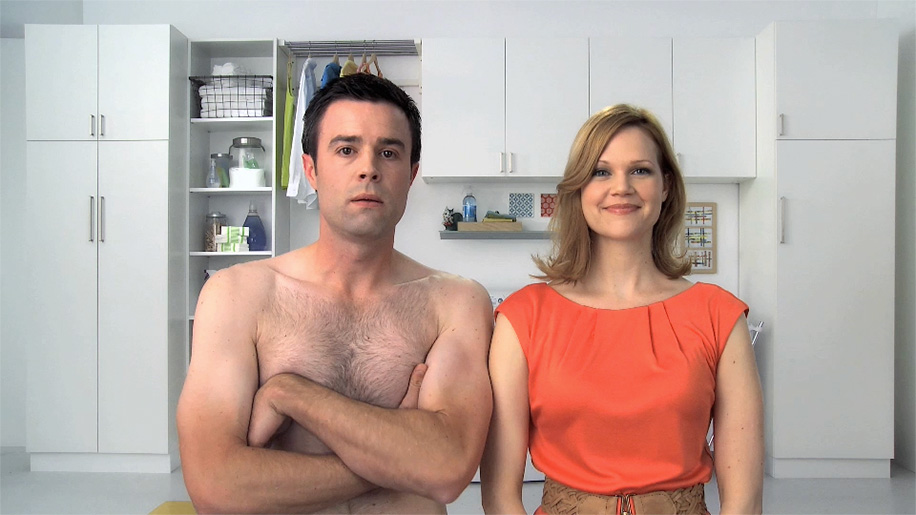
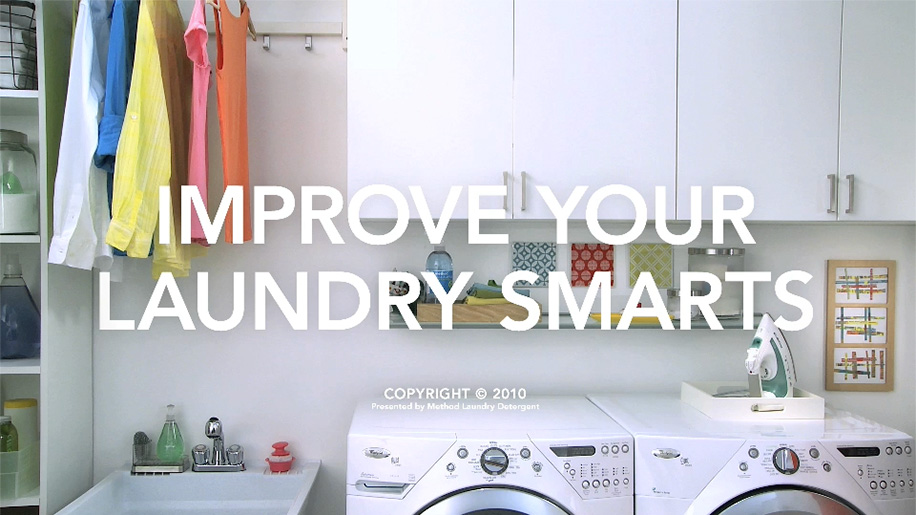




Cobra Creative is where I learned that design leadership comes down to the systems, relationships, and judgment that create space for great design to happen consistently. Thirteen years running a boutique against household-name brand complexity, with a team small enough that every person and every project mattered, built a level of accountability you don't get inside a large organization.